Featured Video

Monday, 5 August 2013

Weed Control Tips

weed control
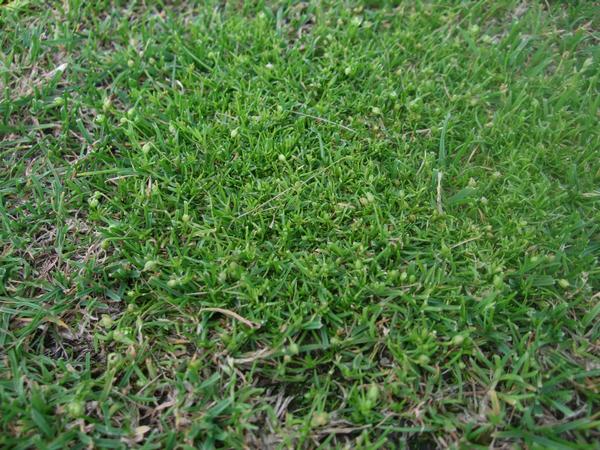
Common turf weeds such as Lesser Trefoil can be difficult
to control at the best of times. However by following the
advice on this page, optimum results can be achieved

For gardeners who want a fine turf lawn that is weed free, then selective herbicides will at some point play a role in keeping the lawn free of broadleaved weeds. Although hand weeding is recommended, there comes a point when chemicals have to be used in the fight against weeds, to prevent them taking over the lawn.

When you reach this point and are ready to treat the weeds with a selective weed killer, then the advice below will help you get the best results.

Choose the correct weed killer

  • There are various weed killers available for weed control, with most of the products containing at least 2 active ingredients. For example Product A may contain the ingredients 2,4-D + mecoprop-p and Product B may contain dicamba + MCPA + clopyralid. Certain weeds are more susceptible to certain ingredients, E.G. As White clover is very susceptible to mecoprop-p, choose a product that contains mecoprop-p. 

    Therefore it is advisable to do a little homework on the weeds you are treating, to find out what products contain the most effective ingredient/s for your situation.

Timing of weed control

  • Weeds in the lawn should be controlled when they are actively growing. This is usually between April & September with the months of May & June being the ideal period, as growth during this time is usually at it strongest. Many turf care professionals apply a nitrogen based fertiliser a week or so prior to treating weeds to encourage growth.  This helps them get optimum results from weed treatment.
Weed Treatment

  • Cut the lawn and then then leave it for 3 days (this will allow the leaf of the weed to grow back and it gives the spray a larger target area to stick to).
  • Spray the selective weed killer
  • Leave the lawn a further 3 days before mowing it (this allows the chemical to travel from the leaf into the whole plant, ensuring optimum results. Cutting the lawn, after application will remove much of the chemical before it has had a chance to travel into the weed, reducing the effectiveness.
  • Always apply the weed killer when the lawn is dry as this helps the weed killer stick to the leaf. Spraying during damp conditions only causes the chemical to run off the weed and the results will be poor.

Avoid treating weeds during periods of drought as you may damage to your lawn.

Doves Foot Cranesbill

doves foot cranesbill
Common name: Doves Foot Cranesbill

Botanical name: Geranium molle

Family: Geraniaceae

Life cycle: Annual

Habitat: Doves foot cranesbill prefers nutrient deficient, dry, free draining soil and is commonly found on waste areas and grassland.

Leaf: The leaves form in a rosette and are round in shape, with each leaf having 5 - 7 lobes. The surface is covered in fine hairs.

Flower: The small pink - purple flowers bloom from May to September.

Removal & control:  Hand weed individual plants before they become a problem.

Doves foot cranesbill is another weed that is difficult to remove with a selective herbicide, fortunately it is not common in managed turf.

Common Sorrel

common sorrel
Common name: Common Sorrel

Botanical name: Rumex acetosa

Family: Polygonaceae

Life cycle: Perennial

Habitat: Common sorrel is common in most types of grassland. It will grow in most types of soil but prefers a low pH. It is a member of the 'Dock' family and is sometimes called the 'Garden Sorrel'.

Leaf: This weed has long, arrow leaves.

Flower: The flowers are borne on long spikes, initially they are a greenish red colour before they turn a purple colour.

Removal & control: If the weeds are few in number, then hand weeding my suffice, taking care to remove the root system. Regular mowing will help discourage and eventually remove common sorrel.

A difficult weed to control with a selective weed killer. In all most all cases more than one treatment will be required.

Saturday, 3 August 2013

Procumbent Pearlwort

procumbent pearlwort
Common name: Procumbent Pearlwort

Botanical name: Sagina procumbens

Family: Caryophyllaceae

Life cycle: Perennial

Habitat: Procumbent pearlwort will grow in most types of soil. It is particularly troublesome on turf that has suffered through being mown too short, as it tolerates very close mowing. This weeds forms as a low growing mat.

Leaf: The leaves are fine and narrow and they form a tightly knitted mat, often giving a moss like appearance.

Flower: Tiny white flowers bourn on short stalks can be seen between may and September.

Removal & control: If the plants are few in number then hand weeding can prove successful. Mow the lawn at a sensible height, as pearlwort will take advantage of thin or bare areas caused by very close mowing.

If a selective weed killer is going to be used for control then more than one application may be needed, as pearlwort can be a stubborn weed to remove.

Yarrow

yarrow turf weed
Common name: Yarrow

Botanical name: Achillea millifolium

Family: Asteraceae

Life cycle: Perennial

Habitat: Yarrow, sometimes called 'Milfoil' is a very common weed in fine turf. It favours light, dry, sandy soils that are often undernourished. It can be a good indicator that a soil is lacking in nutrients and needs feeding. Yarrow is very resistant to drought.

Leaf: The long, narrow leaves are fern like and feathery to touch. If they are rubbed together or crushed, they give off a strong fragrant scent.

Flowers: The white coloured flowers are borne in clusters. They are commonly seen between July and October.

Removal & control: Yarrow is a difficult weed to control, both culturally and with chemicals. Hand weeding may only be practical is the weed is low in numbers.

This weed is resistant to most selective weed killers and in almost all cases, further applications will be necessary. Even then success may be somewhat limited.

Bristly Ox Tongue

bristly ox tongue
Common name: Bristly Ox Tongue

Botanical name: Picris echioides

Family: Asteraceae

Life cycle: Annual or Biennial

Habitat: Bristly ox tongue is very common on waste areas, grassland and occasionally on lawns. In turf it forms as a lowing growing rosette type weed and will grow in most types of soil.

Leaf: The narrow lanceolate leaves are covered in swollen pimples of bristles (hence the name of this plant).

Flower: Bristly ox tongue produces multiple dandelion like flowers. The yellow flowers can be seen between June and September.

Removal & control: Individual plants can be removed by hand. Encourage a healthy lawn with adequate feeding and good lawn care practices.

A selective weed killer can be used, however a second treatment may be needed for complete control.

Smooth Hawksbeard

smooth hawksbeard
Common name: Smooth Hawksbeard

Botanical name: Crepis capillaris

Family: Asteraceae

Life cycle: Annual

Habitat: Smooth hawksbeard is often found on roadsides, waste areas and grassy land. This rosette type plant will grow in most types of soil but prefers dry sites, especially on coastal sites.

Leaf: Dandelion type leaf that is long, narrow and heavily toothed.

Flowers: The yellow flowers are bourne on branched stems and cane be seen between June and September.

Removal & control: Hand weed taking great care to remove the whole plant including the long taproot.

If the infestation is severe then a selective weed killer may be needed for control. More than one application may be needed for effective control.

Autumn Hawkbit

autumn hawkbit lawn and turf
Common name: Autumn Hawkbit

Botanical name: Leontodon autumnalis

Family: Asteraceae

Life cycle: Perennial

Habitat: This weed forms as a low growing, rosette type plant in the base of the turf. It will grow in most types of soil but it prefers moist conditions.

Leaf: The leaves are dark green, narrow with visibly pointed lobes. Similar in appearance to the dandelion but narrower.

Flowers: Typical yellow dandelion like flowers are bourne in clusters on branched stalks. The flowers bloom between June and October.

Removal & control: Autumn hawkbit can be removed via hand, taking care to remove the deep taproot. Promote a thick coverage of turf with regular feeding to help suppress weeds from encroaching.

This weed can be treated with a selective weed killer and a single application is usually enough for control.

Sunday, 28 July 2013

Cats Ear

cats ear lawn and turf
Common name: Cats Ear

Botanical name: Hypochaeris radicata

Family: Asteraceae

Life cycle: Perennial

Habitat: Cats ear will grow in a range of conditions, but it prefers sandy free draining soils. It forms as a low growing rosette on lawns and will withstand close mowing.

Leaf: The long, oblong leaves are covered in fine hairs and have rounded edges which resemble the ears of a cat.

Flower: The yellow flowers are smaller than those of the dandelion, they are bourne on long stalks with each plant having several flowers. They bloom from May to September.

Removal & control: Individual plants can be removed by hand, taking great care to remove the whole plant.

If you go with a selective weedkiller then more than one application may be needed for control of this weed.


Dandelion

dandelion lawn and turf
Common name: Dandelion

Botanical name: Taraxacum officinale

Family: Asteraceae

Life cycle: Perennial

Habitat: Dandelions will grow in almost all conditions, however they prefer nutrient rich soils with an alkaline pH. It is another weed that can adapt to the mowing conditions, making it a major nuisance in all types of grassland and turf.

Leaf: The long, oblong leaves gradually narrow from the tip to the base. The edges of the leaves are deeply toothed, with jagged edges. They form as a basal rosette, which smothers and eventually kills the grass beneath them

Flower: The dandelion has a very distinct yellow flower which can be seen between March and November. The flowers eventually turn into seed heads, producing hundreds of seeds which are dispersed by the wind.

Removal & control: Dandelions can be removed by hand, however it is vital that the long tap root is completely removed or the weed will regenerate.

A selective weed killer can be used to control this common weed. However a second application may be needed for complete control.

Scarlet Pimpernel

scarlet pimpernel

Common name: Scarlet Pimpernel

Botanical name: Anagallis arvensis

Family: Primulaceae

Life cycle: Annual

Habitat: Scarlet pimpernel is rarely a troublesome weed in managed lawns, it is more commonly found on road sides, waste areas, cultivated land and grassy areas.

Leaf: The leaf is very similar in appearance to those of common chickweed and some times the two weeds can be confused with each other for this reason. The leaves are stalk less, oval in shape, often with pointed tips.

Flower: Scarlet pimpernel has five distinct red-orange petals which can be seen during June to August.

Removal & control: This weed would find it difficult to survive on a well manged lawn, it is more troublesome on utility lawns that are neglected somewhat. Therefore change the maintenance program by employed proper lawn care practices to discourage scarlet pimpernel.


Saturday, 27 July 2013

Mouse-ear Chickweed

mouse-ear chickweed lawns and turf
Common name: Mouse-ear Chickweed

Botanical name: Cerastium vulgatum

Family: Caryophyllaceae

Life cycle: Perennial

Habitat: Mouse-ear Chickweed can grow on all types of soil. It can be a problem in managed turf as it forms as a low growing mat, easily able to tolerate low mowing.

Leaf: The small leaves are dark green in colour, oval shaped, fleshy and are covered in fine hairs

Flower: Very similar to those of common chickweed. They are small and white in colour, each flower has 5 petals that are deeply cut, giving the appearance of 10 petals. The flowering period of mouse-ear chickweed is between May and October.

Removal & control: A difficult weed to remove by hand unless the plants are few in number. Reducing the amount of shade over the lawn may help with this weed. Avoid placing stress on the lawn by mowing at a sensible height.

A selective herbicide can be used to control mouse-ear chickweed. A single application is usually enough for effective control.

Common Chickweed

common chickweed
Common name: Common Chickweed

Botanical name: Stellaria media

Family: Caryophyllaceae

Life cycle: Annual

Habitat: Common chickweed is very common on waste areas, cultivated land, roadsides and hedgerows. It is rarely a problem on managed turf, however it can be a nuisance on newly seeded areas, before the grass has had sufficient time to establish.

Leaf: The light green leaves are oval in shape (sometimes with pointed tips) and are bourne in pairs

Flower: The flowers are small and white in colour, very similar to mouse-ear chickweed. Each flower has 5 petals which are so deeply lobed,  giving the appearance of 10 petals. Flowering period is typically between February and November.

Removal & Control: Common chickweed should not cause problems in managed turf. It is however, a nuisance on newly seeded areas, but once regular mowing commences and the lawn establishes is will disappear.


Silverweed

silverweed
Common name: Silverweed

Botanical name: Potentilla anserina

Family: Rosaceae

Life cycle: Perennial

Habitat: Silverweed is common on neglected lawns, rarely is it a problem on managed turf.  It can often be found on road sides, sand dunes, grassland and wasteland.

Leaf: The leaves are pinnate (leaves are arrnaged on each side of the stalk). Each leaf can have between multiple heavily toothed leaflets. The top of leaves can be either green or silver in colour, with the underside silver.

Flower: Each flower has  five (sometimes six) bright yellow petals, which can be seen between May and August.

Removal & control: Encourage a healthy lawn with regular feeding and good turf care practices to prevent weeds from invading. Raking this weed prior to mowing will help to remove and weaken the weed.

Silverweed is a stubborn weed to remove with chemicals. In almost all cases, more than one application of a selective herbicide will be required for control.

Creeping Cinquefoil

creeping cinquefoil
Common name: Creeping Cinquefoil

Botanical name: Potentilla reptans

Family: Rosaceae

Life cycle: Perennial

Habitat: Creeping cinquefoil is more confined to neglected lawns or bare areas than on well maintained turf. It can often be found under hedgerows, woodland and grass verges.

Leaf: The strawberry like leaves have five heavily toothed leaflets. They are sometimes confused with the leaves of Silverweed, which are similar in appearance.

Flower: Each flower has five heart shaped petals. The yellow flowers bloom from June to September.

Removal & control: A difficult weed to hand weed, as is spreads aggressively with overground runners. Maintaining good turf vigour coupled with good turf care practices will eliminate this weed.

Creeping cinquefoil is resistant to most selective weed killers and more than one application will be required for effective control.

Parsley Piert

parsley piert lawn and turf weed
Common name: Parsley Piert

Botanical name: Aphanes arvensis

Family: Roseceae

Life cycle: Annual

Habitat: Parsley piert favours nutrient deficient, free draining soils. It will tolerate extremely close mowing and is often found in turf that has suffered from being mown too short.

Leaf: The small fan like leaves are deeply toothed with 3 lobes.

Flower: The tiny green flowers form at the base of the leaves and can be difficult to spot. They can be seen between May and September.

Removal & control: As this weed is shallow rooting hand weeding can prove quite effective. Keep the lawn in healthy condition with a balanced fertiliser program to help prevent weeds invading.

Parsley piert is another weed that is resistant to most selective weed killers and in all cases more than one application will be needed.


Buckshorn Plantain

Buckshorn Plantain - Starweed
Common name: Buckshorn Plantain or Starweed

Botanical name: Plantago coronopus

Family: Plantaginaceae

Life cycle: Perennial

Habitat: Buckshorn Plantain, which is also commonly known as Starweed has a large taproot and it is predominantly confined to free draining sandy soils on seaside and coastal sites.

Leaf: This rosette type weed has long, narrow leaves with irregular toothed edges.

Flower: The flower is typical of all plantains, in the case of buckshorn plantain, a short spike bourne on a short erect stem. The flowers can be seen between May to September.

Removal and control: Buckshorn plantain can be removed by hand, taking care to remove the whole of the tap root. Maintaining good turf vigour will help prevent weeds from invading to begin with.

Like greater and ribwort plantain, buckshorn plantain can be controlled with a selective weed killer. In most cases a single treatment should be enough.


Tuesday, 23 July 2013

Ribwort Plantain

ribwort plantain lawn weed
Common name: Ribwort Plantain

Botanical name: Plantago lanceolata

Family: Plantaginaceae

Life cycle: Perennial

Habitat: Ribwort plantain also known simply as Ribwort is very similar to greater plantain in that it thrives on compacted soils. It is also very common on soils with a high pH (alkaline). If left to grow ribwort plantain can grow quite tall, however it can also adapt to tolerate a close mowing regime, making it a problem in situations.

Leaf: The long, narrow leaves are heavily ribbed, often with very fine hairs. As the leaves are so narrow this weed is sometimes known as 'Narrow Leaf Plantain'.

Flower: The short flowers grow on long stems and are seen between May and October.

Removal & control: Ribwort plantain can be removed by hand, however it is important to remove the whole root, or the weed will grow back again.

Most selective weed killers will control this weed and a single application is usually enough for complete control.

Greater Plantain

Common name: Greater Plantain

greater plantain turf weed
Botanical name: Plantago major

Family: Plantaginaceae

Life cycle: Perennial

Habitat: Greater plantain forms as low growing, rosette type weed on most types of soil. It is especially troublesome on heavily compacted soils and is often an indicator of the underlying problem of compaction.

Leaf: The broad oval shaped leaves are heavily ribbed and they from in a low growing rosette.

Flower: The green spike shaped flowers are bourne on long, erect stems and can be seen between May and October. As the flowers mature they will turn brown prior to the seeds being dropped.

Removal & control: Greater plantain is one of those weeds that can be successfully hand weeded with a weed removal tool as they grow as isolated plants. As this weeds takes advantage of heavily compacted and worn areas, then regular aeration will help prevent the invasion of the weed.

If the infestation is severe, then you may feel you want to use a selective herbicide to control this weed. Greater plantain is not a difficult weed to control with chemicals and most products should be effective.

Saturday, 20 July 2013

Germander Speedwell

Germander Speedwell
Common name: Germander Speedwell

Botanical name: Veronica chamaedrys

Family: Plantaginaceae

Life cycle: Perennial

Habitat: Germander speedwell will grow on most types of soil, however it is less common in managed turf than slender speedwell.

Leaf: The oval shaped leaves have prominent veins with jagged edges. The leaves tend to be larger than those of slender speedwell.

Flower: The flowers are blue in colour with a white centre. Each flower has four petals, with one petal being smaller than the remaining three.

Removal & control: Prevent this weed becoming a problem with good turf care practises that will encourage a thick, healthy sward of grass. Box of clipping when you cut the lawn, as this weed is capable of regenerating from small fragments that are returned to the lawn.

Chemical control of germander speedwell will prove difficult and results will be poor. In the case of this weed prevention is better than the cure.

Twitter Delicious Facebook Digg Stumbleupon Favorites More

 
Design by Free WordPress Themes | Bloggerized by Lasantha - Premium Blogger Themes | Facebook Themes